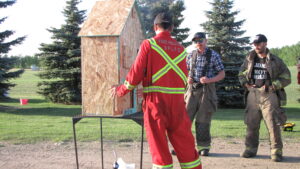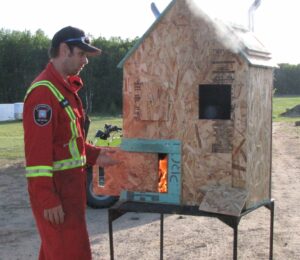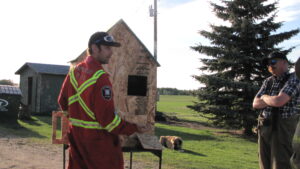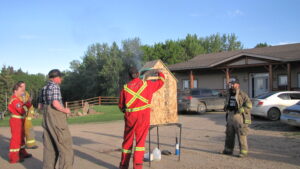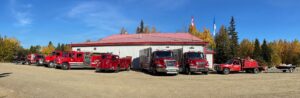
Located in the County of Wetaskiwin, Alberta along Hi Way 13 between Range Road 11 and 12. We are a volunteer Fire Department with 26 members
 In Any Emergency Call 911
Brett Stewart announced as new
South Pigeon Lake Fire Department
Chief
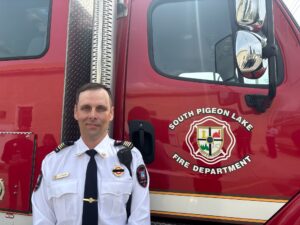
On behalf of the South Pigeon Lake Fire Department , we would like to extend our congratulations to Brett Stewart on his appointment as Fire Chief.
Brett's dedication, leadership and commitment to the safety of our community have been an inspiration to us all. Over the years, he has led by example showing integrity, professionalism, and genuine care for both his team and the residents we serve.
We are proud to stand beside him as he takes on this new role and continues to guide our department forward. His passion for the fire service and his vision for the future will help him lead us into the next chapter.
Please join us in congratulating Fire Chief Brett Stewart on this well deserved achievement.
Brandon Stewart announced as new
South Pigeon Lake Fire Department
Deputy Chief
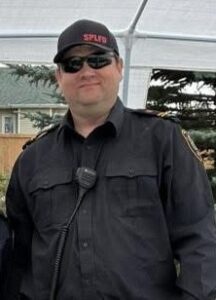
South Pigeon Lake Fire Department is proud to announce the appointment of Brandon Stewart as our new Deputy Chief. Brandon brings proven leadership, deep operational experience, and an unwavering commitment to community safety. His dedication to service has earned the respect of our members and the community alike, and we are confident he will excel in this new role.
Please join us in congratulating Deputy Chief Stewart as he steps into this important position and continues his work supporting our firefighters and the residents of South Pigeon Lake.
Mission Statement
Our mission is to educate, provide protection to life, property, and our environment by providing coordinated, competent, and cost effective emergency response and life safety services to our defined service level.
Calling 911
Calling 911 from a cell phone
While cell phones can be helpful to access 911 services, they have limitations.
Be aware that your call can fail with poor or no reception due to things like geography/environment, adverse weather conditions, building materials/structures and remote areas.
If your call fails, consider:
- calling from a landline
- moving locations
Know your location!
- Pay attention to road signs when travelling, especially in rural areas, so you can provide an accurate location should something happen
- Know your blue sign (rural address)
Visit the Alberta 911 website for a great fact sheet and brochure!
Time for Recruitment for
South Pigeon Lake Fire Department
 Loading...

 Reload document
  Open in new tab
 How to FireSmart your home and property.
Homes and buildings ignite because of the materials, condition, and everything that surrounds them. The area within 30 metres of the home is called the Home Ignition Zone (HIZ). Within it are three priority areas, each requiring specific actions. Start by reducing your risk in the Immediate Zone and work your way outward.
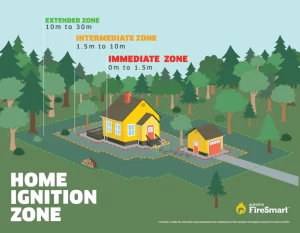
Immediate Zone
0 – 1.5 metres
Reduce the chance of wind-blown embers igniting your home:
Ensure a 1.5 metre non-combustible surface surrounds your home.
Clear vegetation and combustible materials.
Avoid planting woody shrubs or trees.
Intermediate Zone
1.5 – 10 metres
Prevent fire from reaching your home:
Plant fire-resistant vegetation and avoid woody debris, including bark mulch.
Use non-combustible landscaping materials.
Remove combustibles like firewood, construction materials, and patio furniture.
Extended Zone
10 – 30 metres
Limit the intensity of fire:
Maintain a minimum of 3 metres of horizontal space between evergreen trees.
Clear branches lower than 2 metres from the ground.
Regularly clean up fallen branches, dry grass, and needles.
FireSmart your home
FireSmart your yard
FireSmart your property
For More Information check out this link
FireSmart Alberta - FireSmart Alberta
Training on Fire Behavior